
우리의 시작
모든 위대한 여정은 작은 시작에서 비롯됩니다. 로저 솔(Roger Saul)의 아버지는 구두 제조업체에서 일하며 남은 가죽 조각을 집으로 가져왔고, 어린 로저는 이를 활용해 벨트와 초커를 제작해 포토벨로 마켓에서 판매했습니다. 어머니 조안(Joan)이 건넨 500파운드로 문구류와 프랑스산 버클을 구매하며 멀버리는 탄생했습니다. 로저가 런던에서 디자인과 마케팅을 맡는 동안, 조안은 서머셋의 차고에서 생산을 담당했습니다. 멀버리는 기술과 지지, 창의성을 바탕으로 가족이 함께 만든 브랜드였습니다. 아이코닉한 멀버리 트리 로고는 로저의 여동생 로즈마리(Rosemary)가 디자인했으며, 그의 아내 몬티 솔(Monty Saul)은 런웨이와 공장을 오가며 멀버리를 특별하게 만드는 모든 가치를 구현했습니다. 도시적인 패션의 세계와 영국 특유의 전원 풍경, 두 세계에 모두 자연스럽게 어우러지는 존재였습니다.
로저는 서머셋과 런던을 지속적으로 오가며 도시와 전원의 대비 속에서 균형을 찾았습니다. 1975년, 그는 영국 헤리티지에서 영감을 받은 ‘Hunting, Shooting, Fishing’ 컬렉션을 선보였습니다. 고급스러우면서도 실용적이고, 견고하면서도 세련된 감각을 담은 컬렉션은 블루종 재킷과 새들러리 가죽, 네트 백으로 구성되었습니다. 이 컬렉션은 전 세계적으로 큰 인기를 끌었으며, 1979년에는 멀버리가 영국 여왕 수출상을 수상하는 영예를 안았습니다.
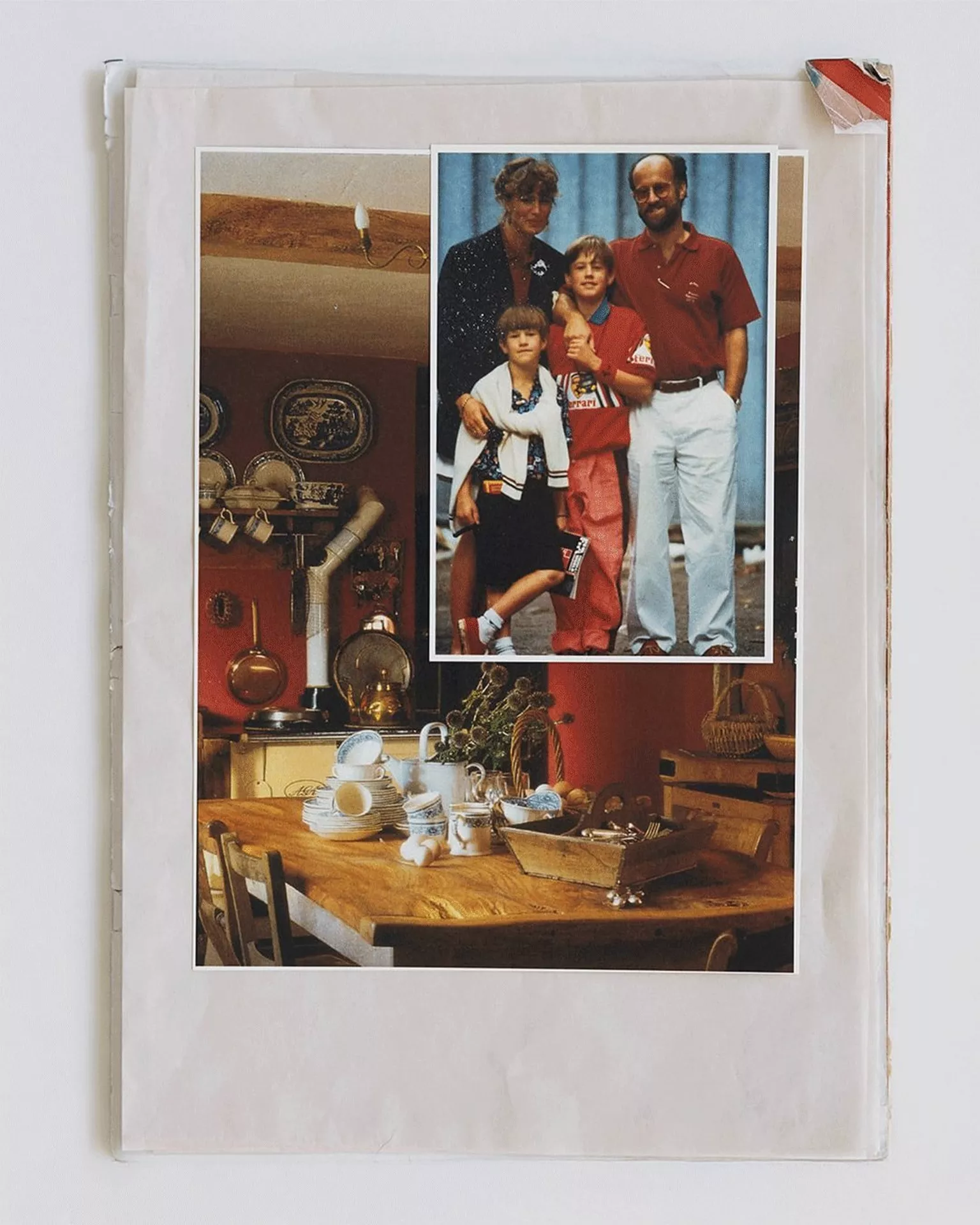
멀버리는 문화 전반으로 그 영향력을 넓혀가고 있었습니다. 1990년에는 패션, 문화, 장인정신을 아우르는 매거진 Mulberry Life를 창간하며 라이프스타일 브랜드로서의 입지를 공고히 했습니다. 1981년 첫 가방 컬렉션을 선보였고, 그로부터 단 1년 뒤, 첫 벨트를 만든 지 10년이 되던 해에 로저는 옥스퍼드 스트리트 인근 기스 코트(Gees Court)에 멀버리의 첫 번째 부티크를 열었습니다.곧이어 파리 플래그십 스토어가 문을 열었고, 이후 멀버리는 글로벌 브랜드로 성장해 현재 전 세계 100개 이상의 매장을 운영하고 있습니다. 1993년, 멀버리는 파리에서 첫 런웨이 쇼를 개최했습니다. 이를 통해 멀버리의 세계가 온전히 공개되었고, 전 세계는 그 매력에 빠져들었습니다.
사람들은 멀버리가 제안하는 현대적 브리티시 감성을 소유하고자 했습니다.
2002년, 멀버리는 니콜라스 나이틀리 (Nicholas Knightly)의 지휘 아래 새로운 디자인의 방향을 제시했습니다. 그가 선보인 베이스워터는 곧 영국 패션을 대표하는 아이콘으로 자리 잡았으며, 케이트 모스 (Kate Moss)부터 제니퍼 로페즈 (Jennifer Lopez)에 이르기까지 수많은 스타일 아이콘의 선택을 받았습니다.
2008년 엠마 힐 (Emma Hill)이 크리에이티브 디렉터로 취임하면서 알렉사가 탄생했습니다. 알렉사 청 (Alexa Chung)의 빈티지 엘킹턴 브리프케이스에서 영감을 받은 알렉사는 멀버리의 헤리티지와 현대적인 감각을 조화롭게 담아냈습니다. 여기에 우아한 릴리까지 더해지며, 힐은 멀버리를 세계적인 패션 하우스로 성장시켰습니다.
2015년에는 조니 코카 (Johnny Coca)가 멀버리의 크리에이티브 디렉터로 취임했습니다. 셀린느에서의 작업으로 명성을 쌓은 그는 영국 장인정신에 새로운 시각을 더했습니다. 과거의 헤리티지에서 영감을 받아 아이리스와 앰벌리라는 두 가지 새로운 백 패밀리를 선보이며 멀버리의 아이콘을 확장했습니다.
협업은 언제나 멀버리의 핵심 가치였습니다. 2021년, 창립 50주년을 기념하며 Mulberry Editions를 선보였고, Priya Ahluwalia, Nicholas Daley, Richard Malone, Stefan Cooke 등 동시대 디자인을 이끄는 크리에이터들과 함께 멀버리의 아이코닉한 피스들을 새롭게 재해석했습니다. 2023년에는 폴 스미스(Paul Smith)가 영국적 유산과 창조적 정신을 기념하는 컬렉션을 선보였고, 2024년에는 레지나 표(Rejina Pyo)가 멀버리의 헤리티지를 현대적으로 재구성한 타임리스 디자인을 발표했습니다. 이러한 협업들은 멀버리의 본질이라 할 수 있는 상반된 가치의 조화를 보여주었습니다. 오래된 것과 새로운 것, 전통과 대담함, 익숙함과 예상치 못한 요소가 조화를 이루는 감각이었습니다.

